
Govardhan Puja & Diwali 2026
Sunday, November 8, 2026 — from 3:30 pm
Celebrating the Supreme Protector — the day Lord Krishna lifted Govardhan Hill to protect His beloved devotees.
By the Vedic calendar, Govardhan Puja falls on Monday, November 9, 2026. At the temple we will be celebrating on Sunday, November 8.
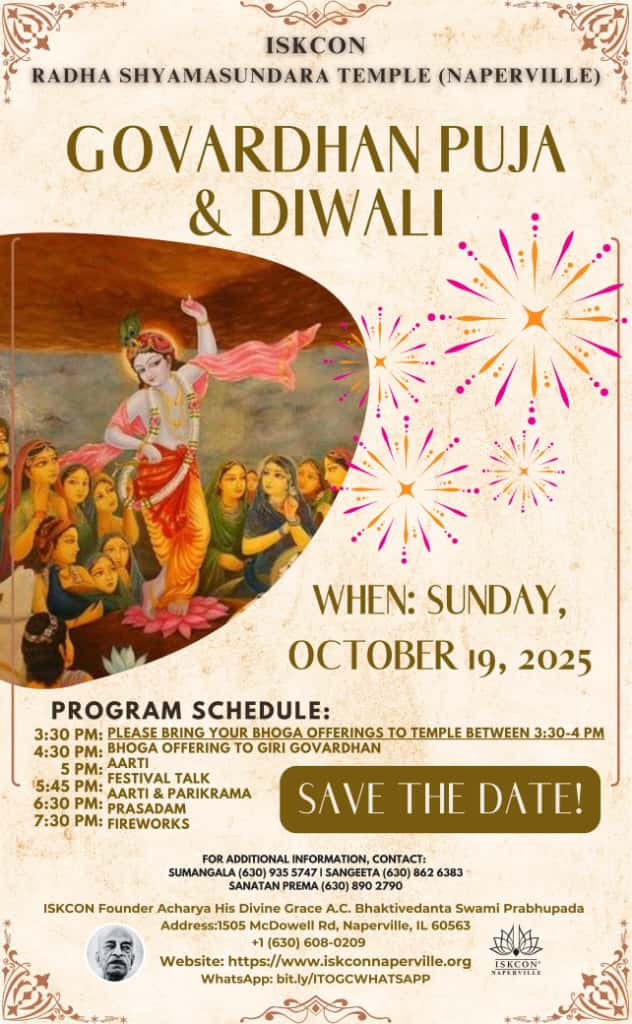
Program Schedule
|
Time |
Program |
|
3:30 pm |
Bhoga offerings to be brought to the temple |
|
4:30 pm |
Bhoga offering to Giri Govardhan |
|
5:00 pm |
Lecture |
|
5:45 pm |
Arati on the altar and for Giri Govardhan, followed by parikrama |
|
6:30 pm |
Prasadam |
|
7:30 pm |
Fireworks |
Govardhan Puja: Celebrating the Supreme Protector
Welcome to our celebration of Govardhan Puja — one of the most joyous, visually spectacular, and deeply significant festivals in the Gaudiya Vaishnava calendar. Observed the day after Diwali, this festival commemorates the glorious pastime of Lord Krishna lifting Govardhan Hill to protect His beloved devotees.
Whether you are a lifelong practitioner or a first-time visitor, Govardhan Puja offers a profound glimpse into the heart of Bhakti (devotion) and the sweet, reciprocal relationship between the Supreme Lord and His devotees.
What is Govardhan Puja?
Govardhan Puja, also known as Annakut (meaning “a mountain of food”), is a vibrant festival honoring Govardhan Hill — a sacred hill in the holy land of Vrindavan. During this festival, devotees express their immense gratitude to Lord Krishna by offering a massive feast, worshipping cows (Go-puja), and circumambulating a replica of the sacred hill.
Why Do We Celebrate? The Divine Pastime
The origins of Govardhan Puja are described in the Tenth Canto of the Srimad Bhagavatam (Bhagavata Purana).
Over 5,000 years ago, the residents of Vrindavan were preparing for their annual sacrifice to Indra, the king of heaven, to thank him for providing the rain needed for their crops and cows. However, a seven-year-old Krishna questioned this tradition. He convinced His father, Nanda Maharaja, and the villagers to abandon the worship of Indra and instead direct their offerings to Govardhan Hill, the cows, and the local brahmanas, explaining that the hill was the true source of their sustenance.
Furious that his worship was stopped, an insulted Lord Indra unleashed devastating, apocalyptic storms upon Vrindavan to destroy the village.
Seeing the sheer terror of His devotees, Lord Krishna calmly lifted the massive Govardhan Hill with the pinky finger of His left hand. He held it aloft like a giant umbrella for seven days and seven nights. The residents of Vrindavan, along with their animals, took shelter beneath the hill, completely untouched by the raging storm, while gazing lovingly at Krishna’s beautiful face.
Realizing Krishna’s supreme position, Indra’s pride was shattered. He stopped the rain, descended from the heavens, and offered heartfelt prayers of surrender to the Lord.
“My dear Lord, You are the Supreme Personality of Godhead, the original person… You are the father of this cosmic manifestation, and You are the supreme spiritual master.”— Indra’s prayers, Srimad Bhagavatam (10.27.11)
The Gaudiya Vaishnava Significance
For Gaudiya Vaishnavas (the lineage of ISKCON), Govardhan Puja is not just a historical event; it carries deep philosophical and esoteric significance:
1. Krishna is the Ultimate Protector (Bhakta-vatsala)
The lifting of Govardhan Hill is the ultimate demonstration of Krishna’s promise to protect His devotees. It shows that those who take complete shelter of the Supreme Lord have nothing to fear, not even the wrath of the greatest demigods.
2. Exclusive Devotion (Ananya Bhakti)
By redirecting the worship from Indra to Govardhan Hill, Krishna established the principle of Ananya Bhakti — unalloyed, exclusive devotion to the Supreme Personality of Godhead. As Srila Prabhupada often explained, by watering the root of a tree (Krishna), all the branches and leaves (the demigods and living entities) are automatically nourished.
3. Govardhan is Krishna Himself (and His Greatest Servant)
In Gaudiya theology, Govardhan Hill is completely unique. He is celebrated as Haridasa-varya — the best of the servants of Lord Hari — because he provides water, grass, and caves for Krishna and His friends. Yet, during the very first Govardhan Puja, Krishna assumed a gigantic, unprecedented form and declared, “I am Govardhan Hill,” consuming all the offerings. Thus, worshipping Govardhan is non-different from worshipping Krishna Himself.
“The identity of Kṛṣṇa and Govardhana Hill is still honored, and great devotees take rocks from Govardhana Hill and worship them exactly as they worship the Deity of Kṛṣṇa in the temples.”— His Divine Grace A.C. Bhaktivedanta Swami Prabhupada (Krishna, the Supreme Personality of Godhead)
How is Govardhan Puja Celebrated in ISKCON?
In ISKCON temples around the world, Govardhan Puja is celebrated with unparalleled enthusiasm, creativity, and devotion. Here is what you can experience at our temple:
- The Annakut (Mountain of Food): Devotees spend days cooking hundreds of different vegetarian preparations — sweets, savories, rice, and sabjis. These are arranged in a massive, beautiful display to be offered to the Deities.
- The Govardhan Hill Replica: The centerpiece of the festival is a large, edible replica of Govardhan Hill! It is often made from halava (a semolina sweet), cakes, and cookies, decorated with icing rivers, candy rocks, and small toy cows and cowherd boys.
- Giriraj Abhisheka: A grand, ceremonial bathing (abhisheka) of the Govardhan Shila (a sacred stone from the actual Govardhan Hill) is performed using auspicious items like milk, yogurt, honey, and ghee, accompanied by the chanting of Vedic mantras.
- Parikrama (Circumambulation): Following the tradition established by Krishna Himself, all the devotees joyfully circumambulate the replica of Govardhan Hill while singing the Hare Krishna maha-mantra and other traditional kirtans.
- Go-Puja (Worship of the Cows): Because Krishna is Govinda (the one who gives pleasure to the cows), cows are highly revered. Depending on the temple’s facilities, cows are brought in, decorated with garlands and colors, fed special sweets, and offered worship.
- The Grand Feast: After the massive Annakut is offered to the Lord, the blessed food (prasadam) is distributed freely to everyone who attends.
Join Us in Taking Shelter!
Govardhan Puja is a vivid reminder that taking shelter of Krishna is a joyful, sweet, and celebratory experience. We warmly invite you, your friends, and your family to join us for ecstatic kirtan, enchanting stories, and a mountain of delicious prasadam.
Come lift your spirits and celebrate the Supreme Protector with us!
More events & festivals
All of these are observed at the temple each year. Dates shown are for 2026.
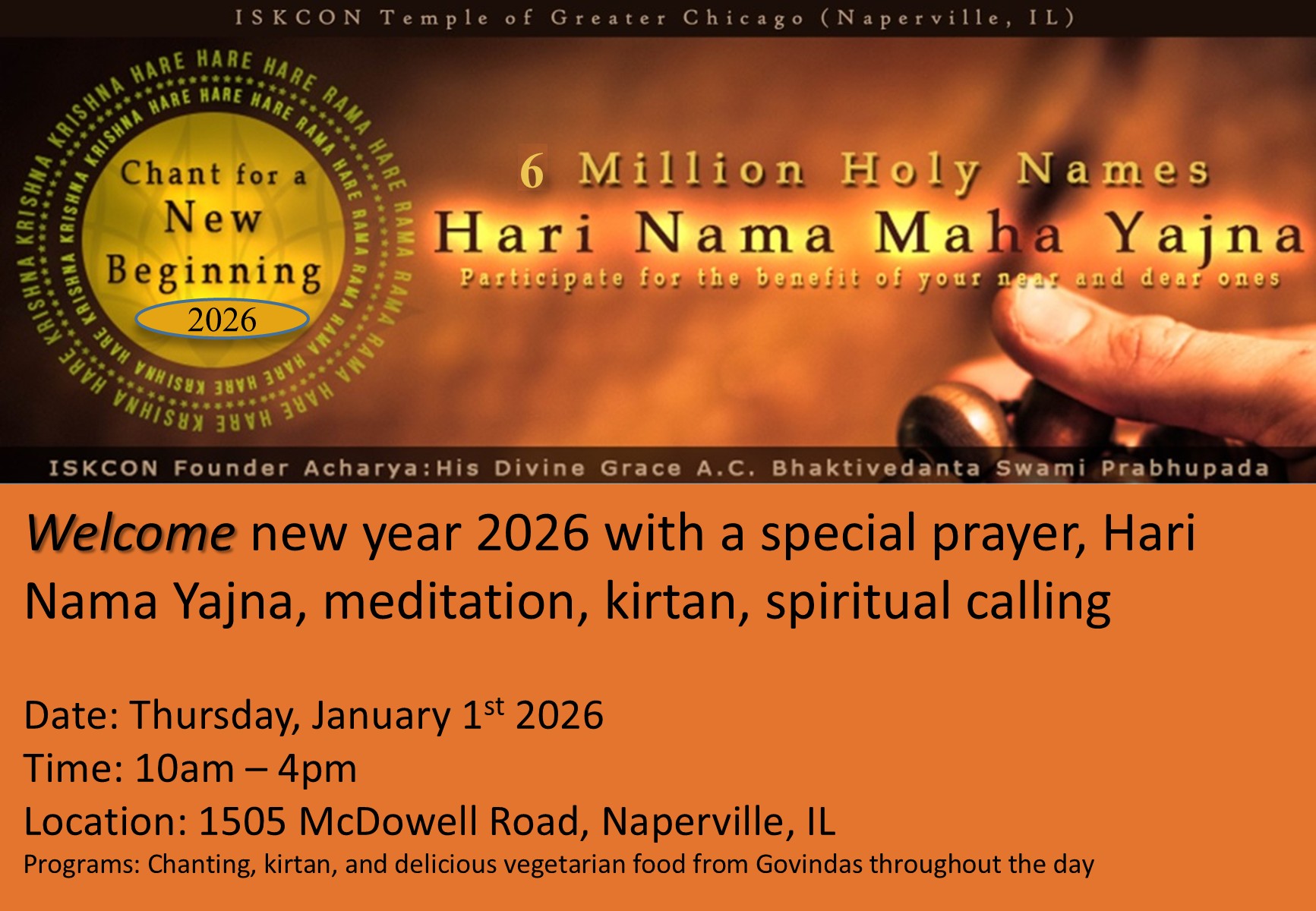 Hari Nama Maha YagnaThursday, January 1
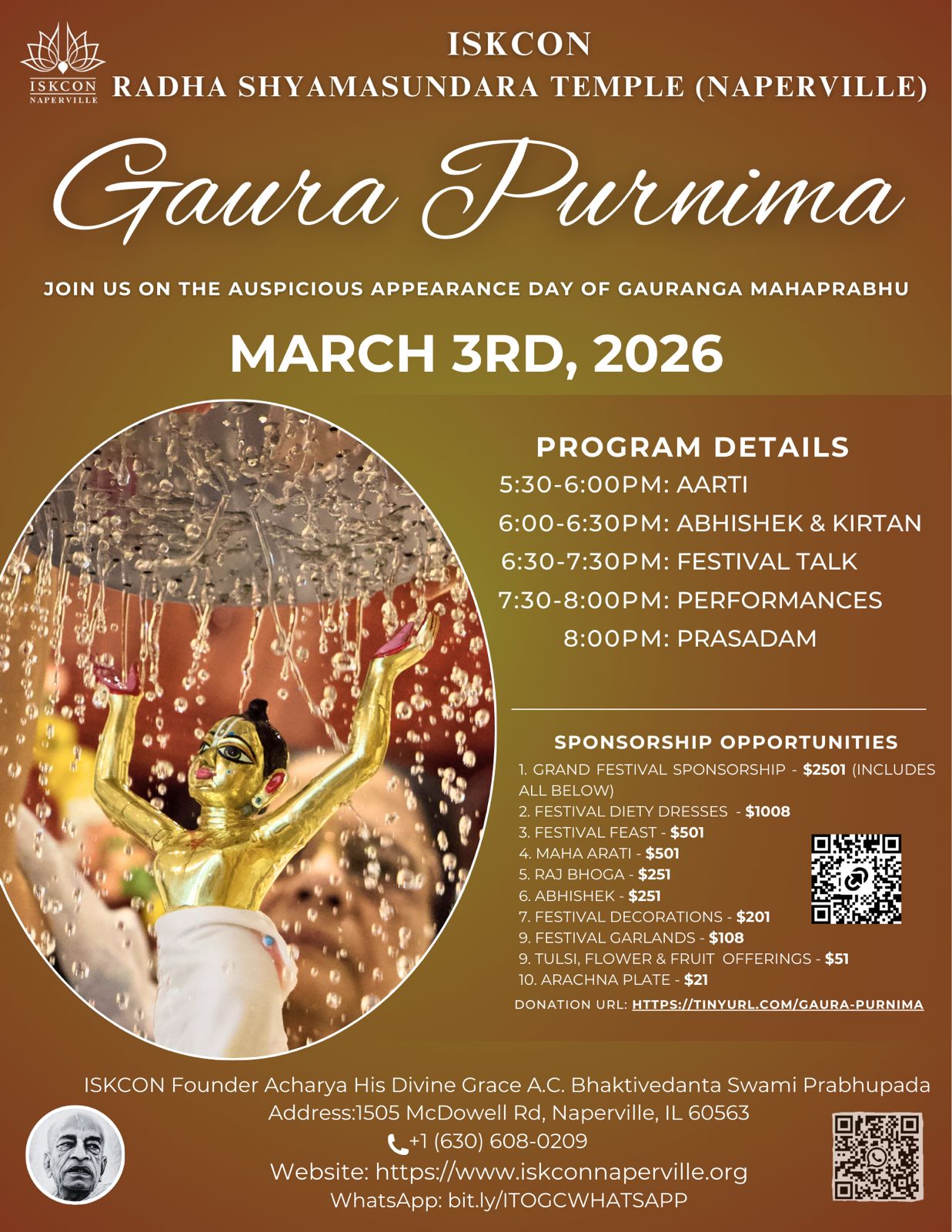 Gaura PurnimaTuesday, March 3
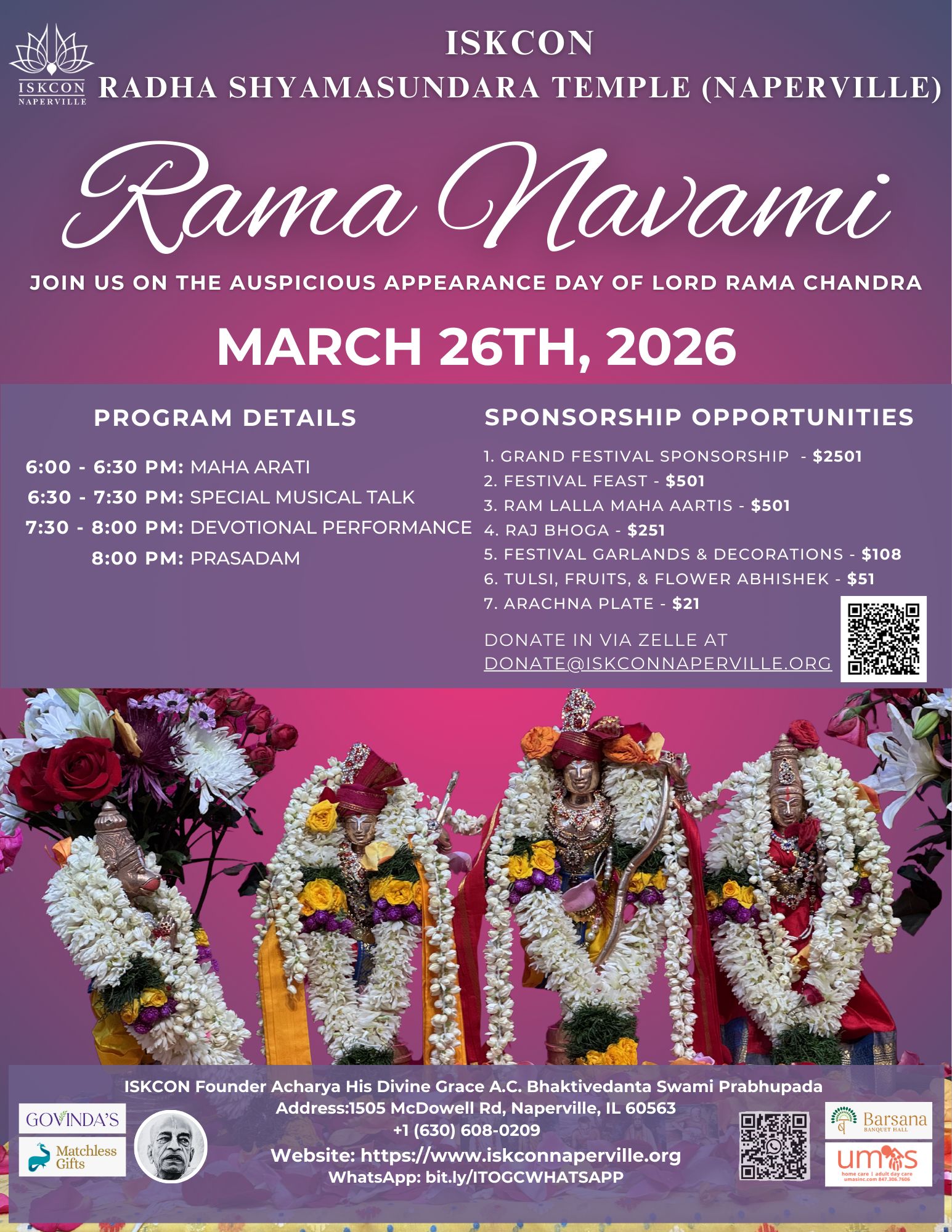 Rama NavamiThursday, March 26
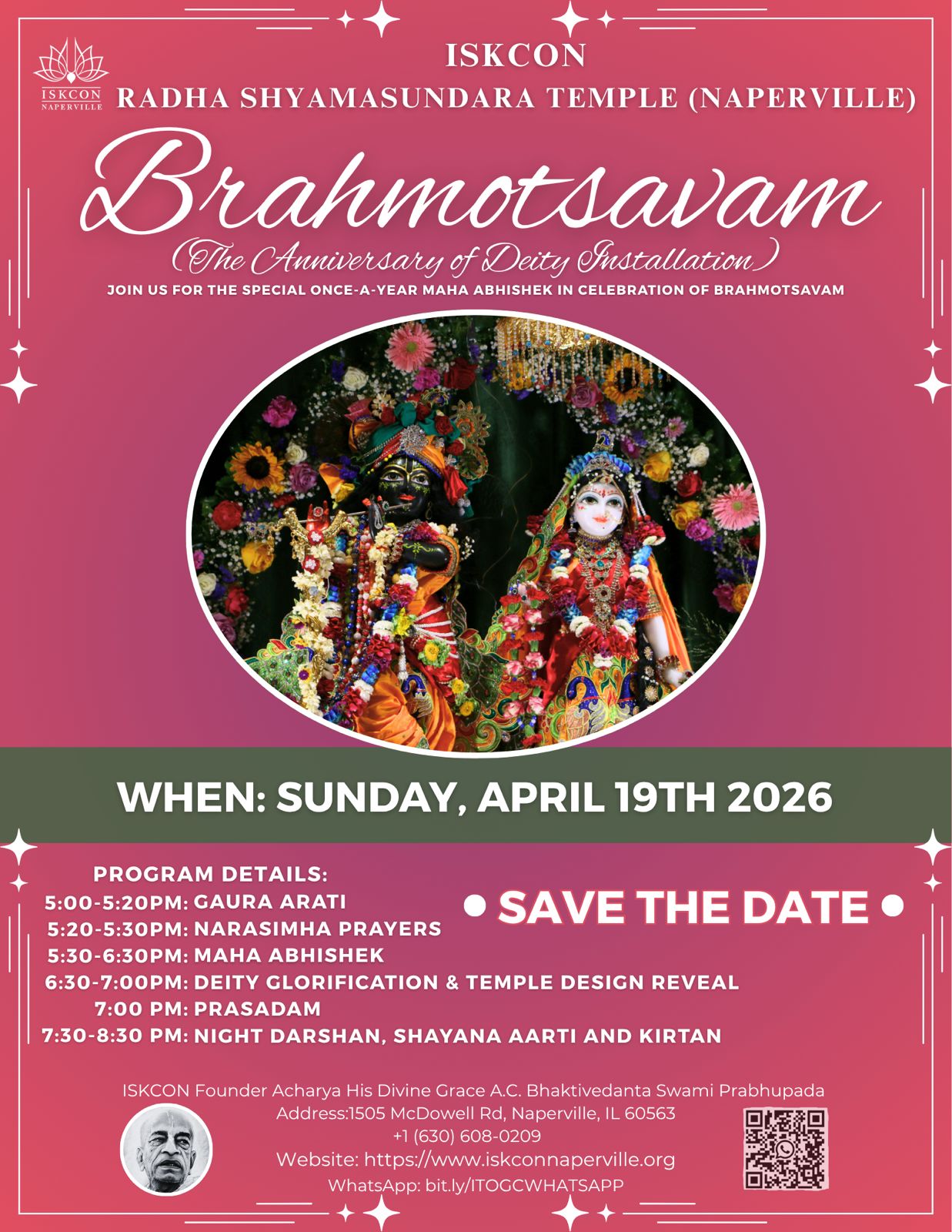 BrahmotsavaSaturday, April 19
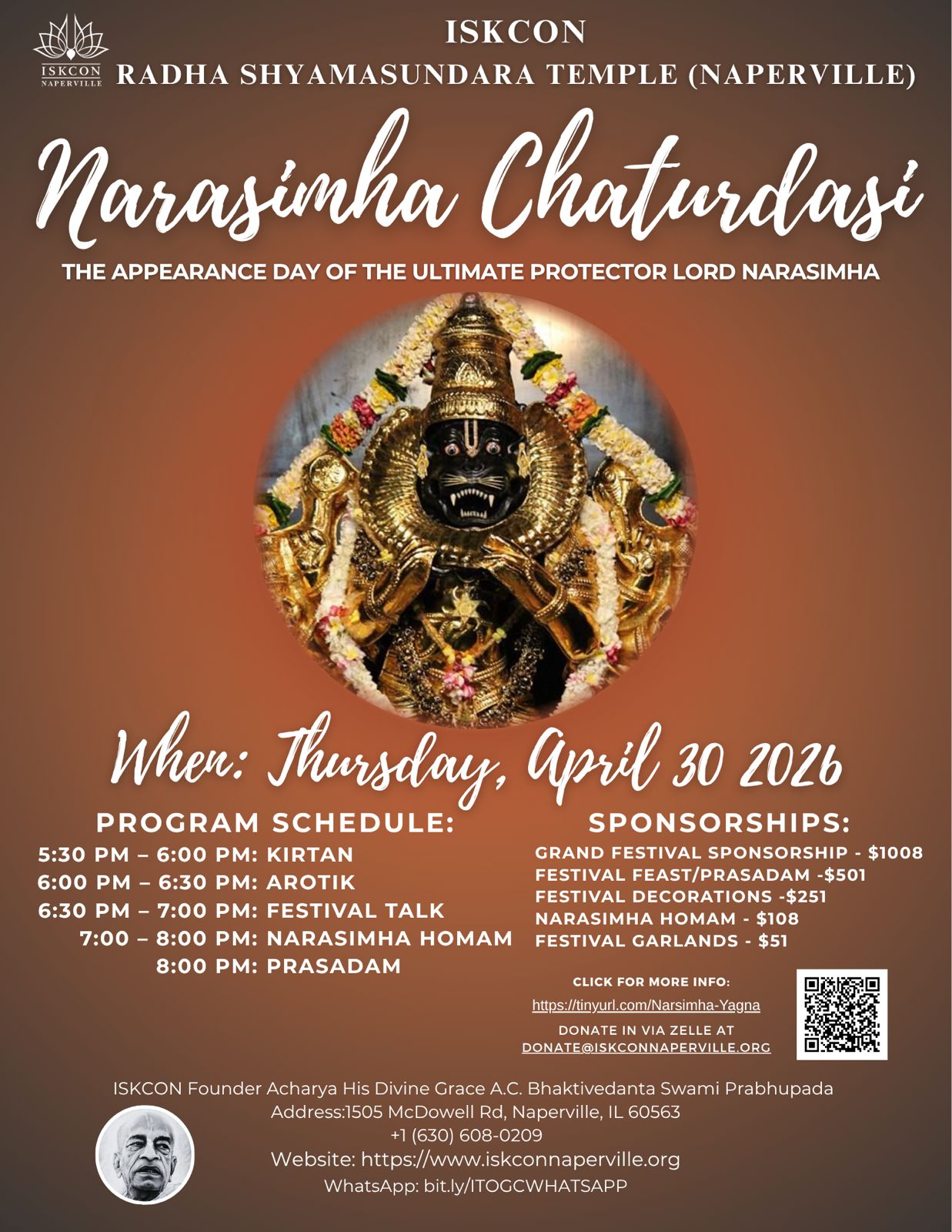 Lord Nrsimhadev's Appearance DayThursday, April 30
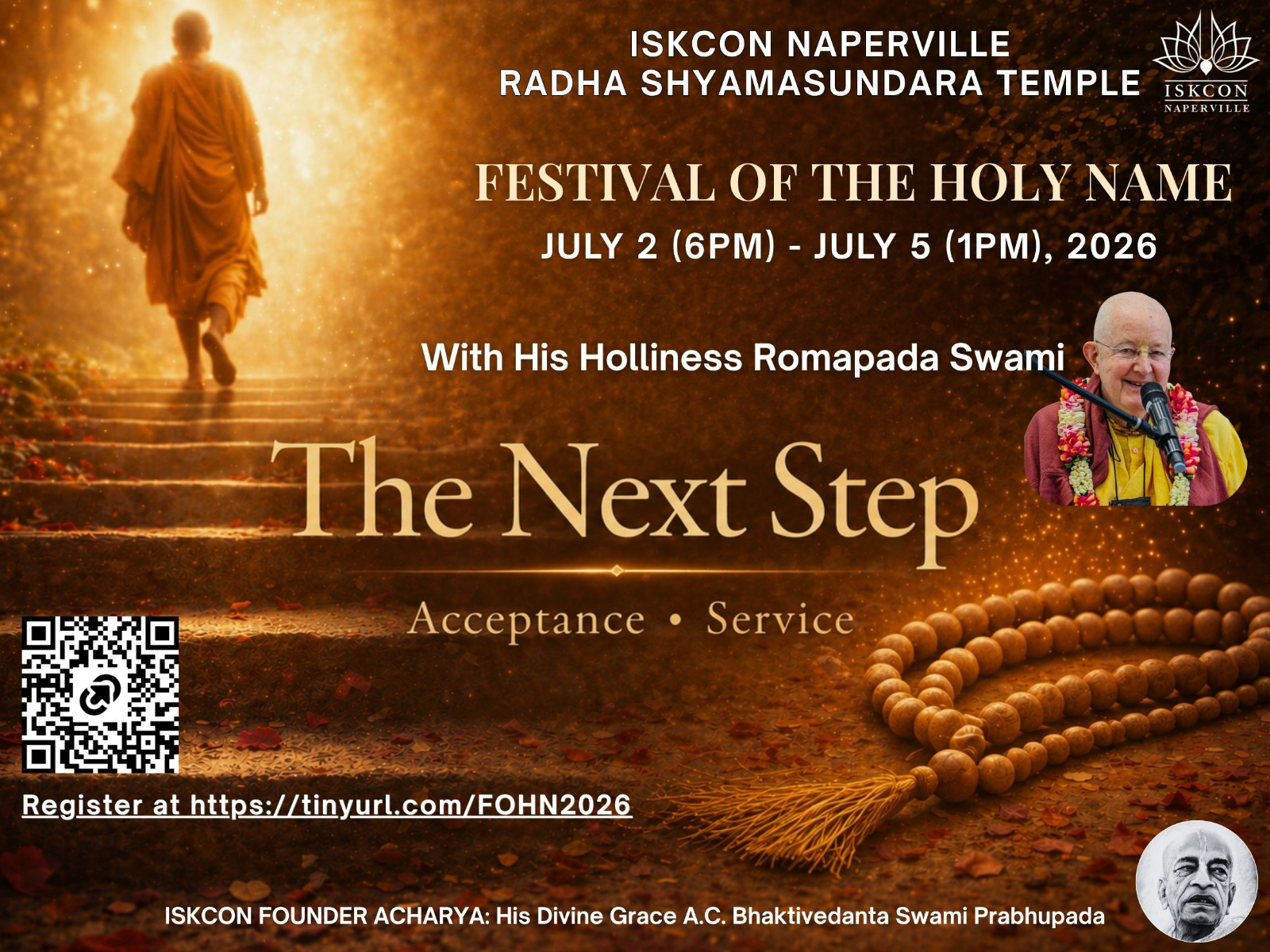 Festival of Holy NameJuly 4th weekend, 2027 · dates TBC
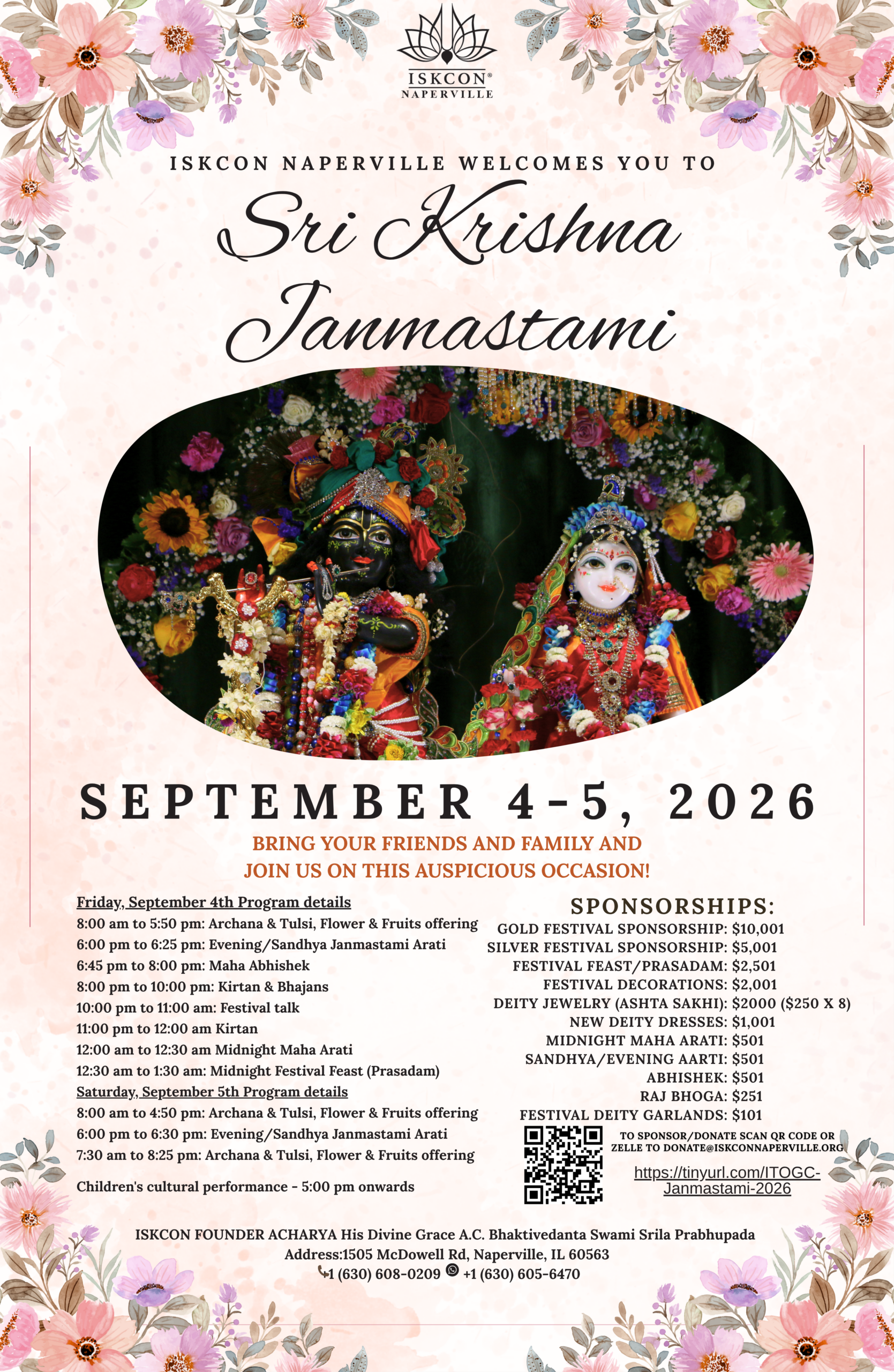 Sri Krishna JanmashtamiFriday, September 4
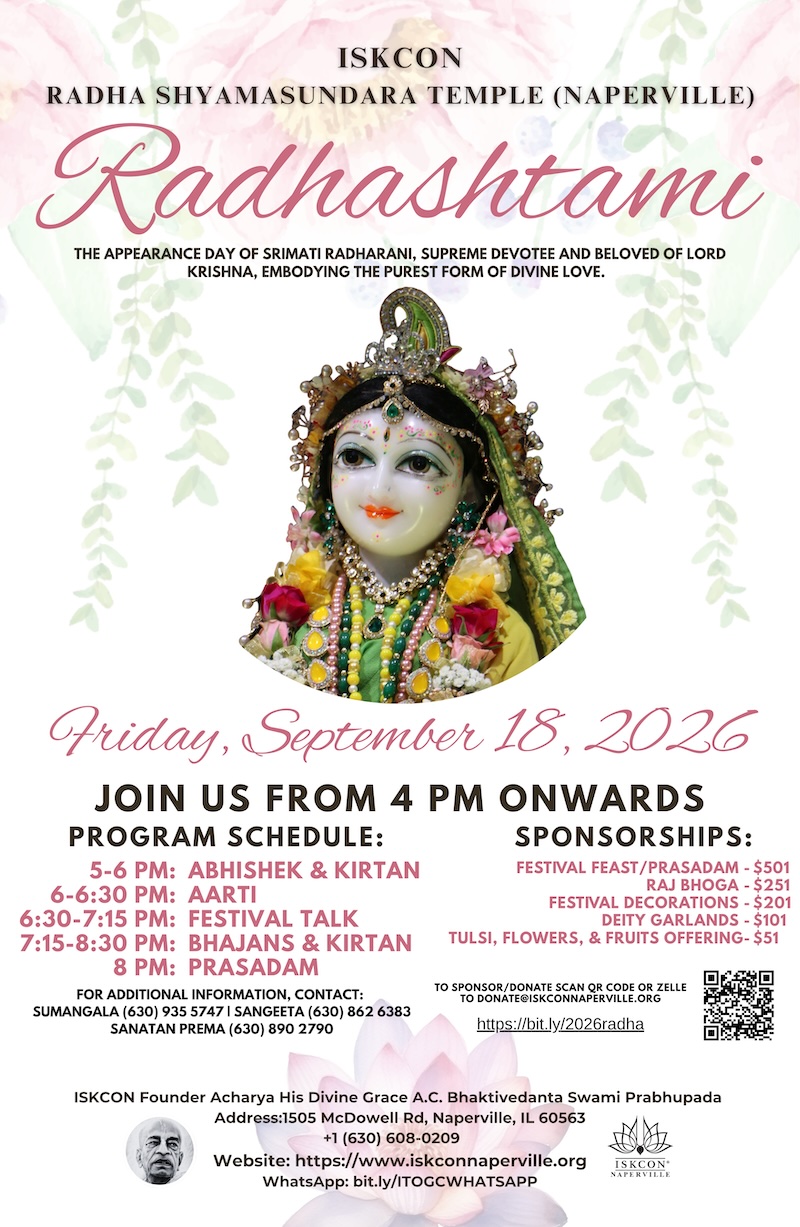 RadhashtamiFriday, September 18
 Bhadra PurnimaSaturday, September 26
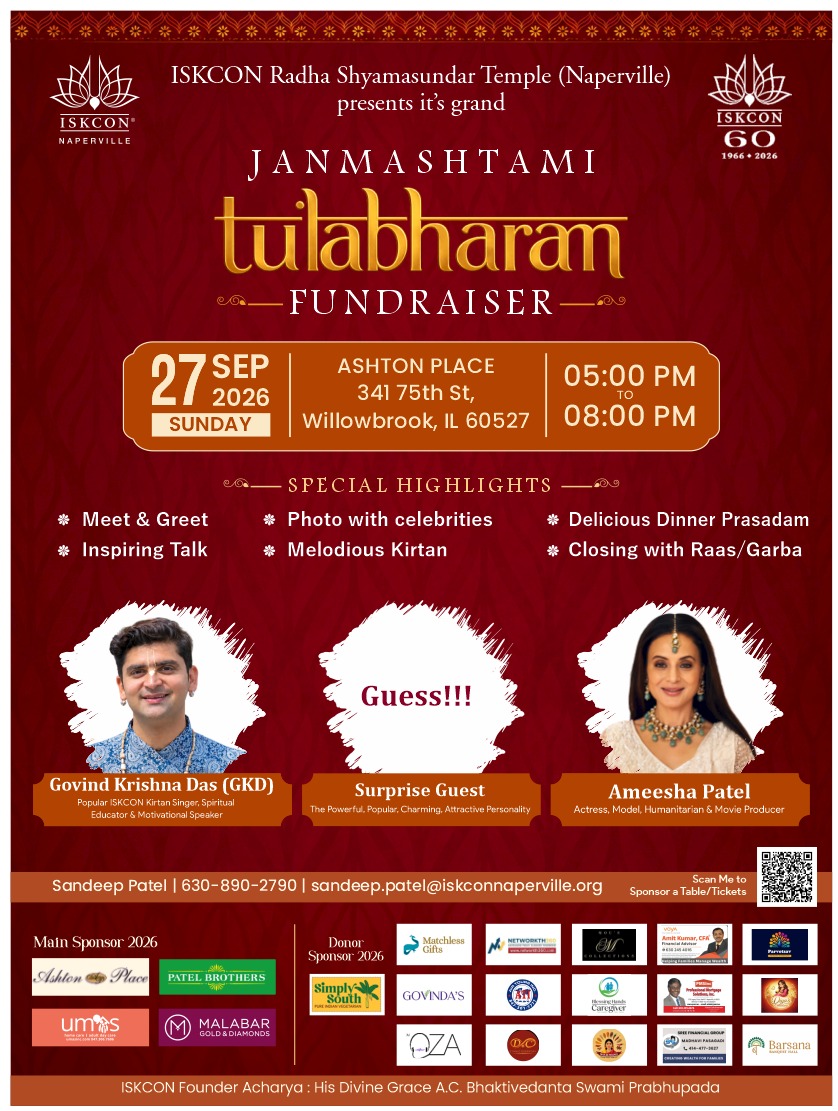 Janmashtami Tulabharam FundraiserSunday, September 27
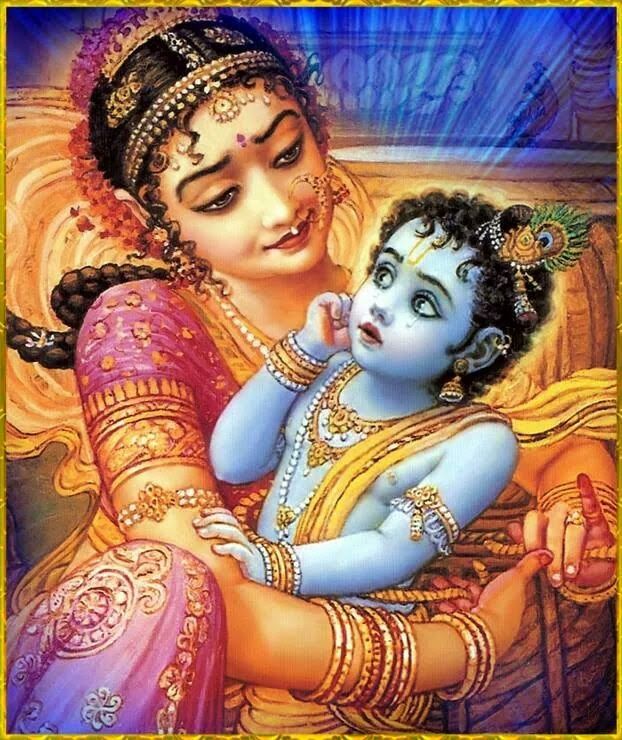 Kartik / Damodar MonthFrom Sunday, October 25Govardhan Puja & DiwaliSunday, November 8